
Walk into any mom-and-pop shop in Bangladesh, a traditional mudir dokan tucked into a quiet lane or a small grocery near a busy bus stand and we all see the same essential products lining the shelves: rice, flour, cooking oil, soap, shampoo, biscuits, tea and spices.
These daily essentials belong to the Fast-Moving Consumer Goods (FMCG) category and they are the main reason millions of small retail store across Bangladesh stay open, busy and profitable every single day.
What Does FMCG Mean?
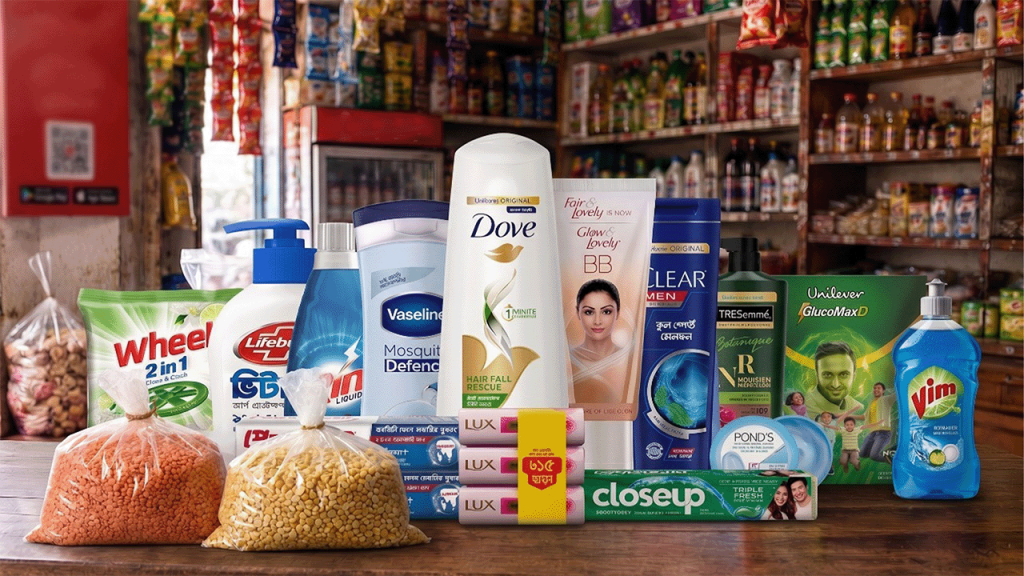
FMCG (Fast-Moving Consumer Goods) refers to everyday products that consumers purchase frequently. In Bangladesh’s FMCG market, these products are sold mainly through neighborhood retail stores and require continuous restocking because of their high demand.
Key characteristics that define the FMCG category include:
High Sales Volume: Purchased constantly by consumers for daily household use.
Rapid Inventory Turnover: Products move off shelves within days rather than months.
Constant Market Demand: Essential goods that remain stable regardless of broader economic shifts.
Unlike durable consumer goods like smartphones or furniture, which consumers buy once every few years, FMCG items are repurchased on a weekly or daily basis.
This recurring purchase cycle makes FMCG the foundational anchor of retail economies worldwide.
The 3 Core Categories of FMCG Products
Most fast-moving consumer goods fall into three primary categories:
Food and Beverages: Packaged foods, snacks, spices, dairy products, tea and soft drinks.
Personal Care and Toiletries: Bar soaps, shampoos, oral care (toothpaste) and skincare products.
Household and Cleaning Supplies: Laundry detergents, dishwashing liquids, surface cleaners and insecticides.
In Bangladesh, these three categories dominate shelf space in local neighborhood shops, driving the urgent need for reliable wholesale supply chains and rapid restocking systems.
Why FMCG is the Main Economic Engine of Bangladesh
The FMCG industry in Bangladesh is more than products on a shelf. It supports employment, strengthens the Bangladesh supply chain, enables FMCG distribution, generates tax revenue and contributes significantly to national economic growth.
1. Mass Employment Generation
The FMCG supply chain creates jobs at every stage of the value chain. From manufacturing plants and packaging facilities to logistics, trucking, warehousing and front-line retail sales, millions of Bangladeshis depend on this sector for their livelihood.
2. Infrastructure and Retail Growth
Because FMCG products move rapidly, distributors and micro-retailers are constantly pushed to invest in modernized logistics, warehousing facilities and digital ordering tech to keep up with daily consumer demand.
3. Substantial Tax Revenue
FMCG sales generate steady tax streams, including Value Added Tax (VAT), sales tax and corporate income taxes that directly fund public infrastructure projects and national development.
4. Direct Multiplier Effect on Supporting Industries
The growth of the FMCG sector directly fuels ancillary industries across the country, including commercial packaging, digital advertising, freight transportation, and third-party logistics (3PL).
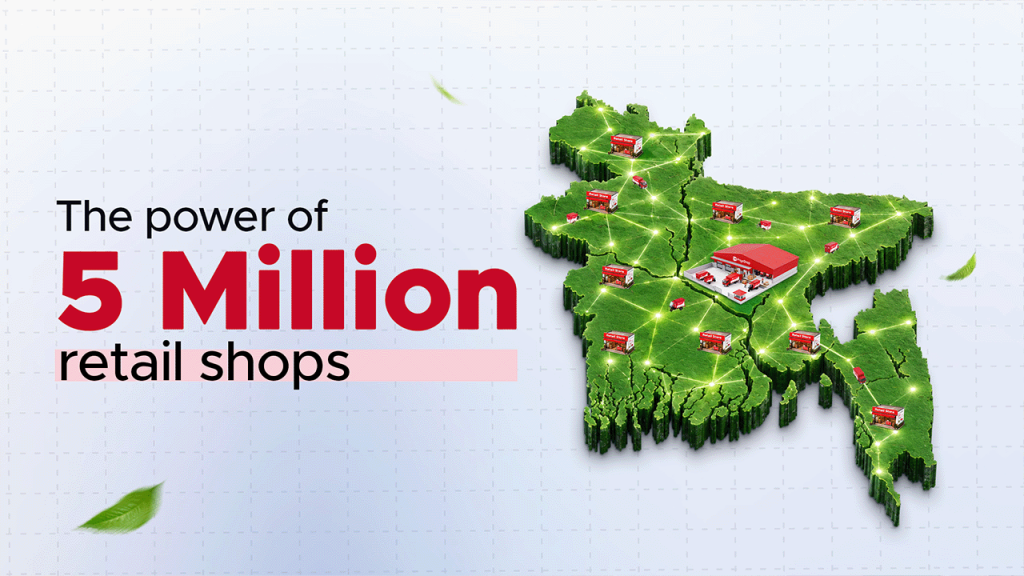
Bangladesh’s Unique FMCG Landscape: The Power of 5 Million retail shops
On a global scale, FMCG is led by multinational giants like Unilever, Nestlé and Procter & Gamble.
Their success relies on two fundamental pillars: trust and widespread distribution efficiency.
While global markets lean heavily toward modern supermarkets and big-box retailers, an estimated 97% of all FMCG sales in Bangladesh happen through traditional retail channels; specifically, more than 5 million small neighborhood mudir dokans.
In this fragmented market setup:
Customer trust is established individually across shop counters.
Micro-retailers operate on slim margins and limited storage space.
Supply chain bottlenecks directly impact a shopkeeper’s monthly revenue.
How PriyoShop Empowers FMCG Retailers in Bangladesh
Because FMCG relies on high turnover, retailers require a seamless logistics and supply chain network to maintain stock levels.
PriyoShop closes the gap between FMCG brands, distributors and local neighborhood retailers.
For retailers managing daily inventories of staple foods and personal care items, sustainable success requires seamless ordering, working capital support and reliable delivery.
PriyoShop has modernized Bangladesh’s FMCG supply chain through the following:
Direct Brand Access: Supplying genuine products directly from trusted FMCG brands.
Smart Last-Mile Logistics: Efficient distribution networks capable of reaching micro-retailers anywhere in the country.
Embedded Financial Solutions: Providing working capital access so retailers can restock fast without cash-flow interruptions.
Digital Operations: Easy-to-use technology that simplifies inventory ordering and tracking.
Data-Driven Stock Insights: Actionable analytics helping retailers stock high-demand products based on market trends.
Building a Stronger Retail Future
Fast-Moving Consumer Goods will always rely on speed and scale. However, maintaining that speed depends entirely on the supply chain infrastructure supporting the market. In Bangladesh, that burden rests on millions of small retail owners who need modern logistics tools to grow their businesses.
By connecting brands, distributors and retailers through one unified digital ecosystem, PriyoShop is strengthening small retailers, boosting local communities and advancing Bangladesh’s retail economy.