
A retailer in a small Bangladeshi town wants to restock before the evening rush. He does not want to leave the buying journey to visit a bank or fill out separate forms. He wants access to credit at the same moment he is placing the order.
That is it. That is the whole ask.
This is not a future scenario. This shift is already happening across emerging markets, as financial services move closer to the transaction itself.
The Shift: From Institutions to Interfaces
For decades, financial services were built around institutions, branches, forms, and separate approval journeys.
That model is dying and it is dying fast in markets like Bangladesh, where mobile-first commerce has leapfrogged traditional banking infrastructure.
Retailers, telcos and digital platforms are no longer just distribution channels. They are becoming the front door to financial services.
A retailer restocking inventory through an app does not want to leave that app to secure financing. A small business owner scanning a product barcode does not want a separate loan application process.
They want the financial product to show up exactly where and when they need it inside the transaction itself.
This is embedded finance and it is no longer optional for platforms that want to stay relevant. Institutions that do not move fast enough to embed credit, wallets and payments into everyday retail journeys will watch competitors capture that relationship instead.
Historically, Bangladesh’s retail economy has operated on a fragile mix of physical cash and unorganized informal credit. Retailers routinely tie up their liquid working capital in paper ledgers (Khata) to extend credit to neighborhood customers, while simultaneously facing strict cash-on-delivery demands from distributors.
Trapped between uncollected receivables and rigid procurement costs with zero access to formal collateral-free bank loans, a minor cash crunch often forces them to leave shelves half-empty.
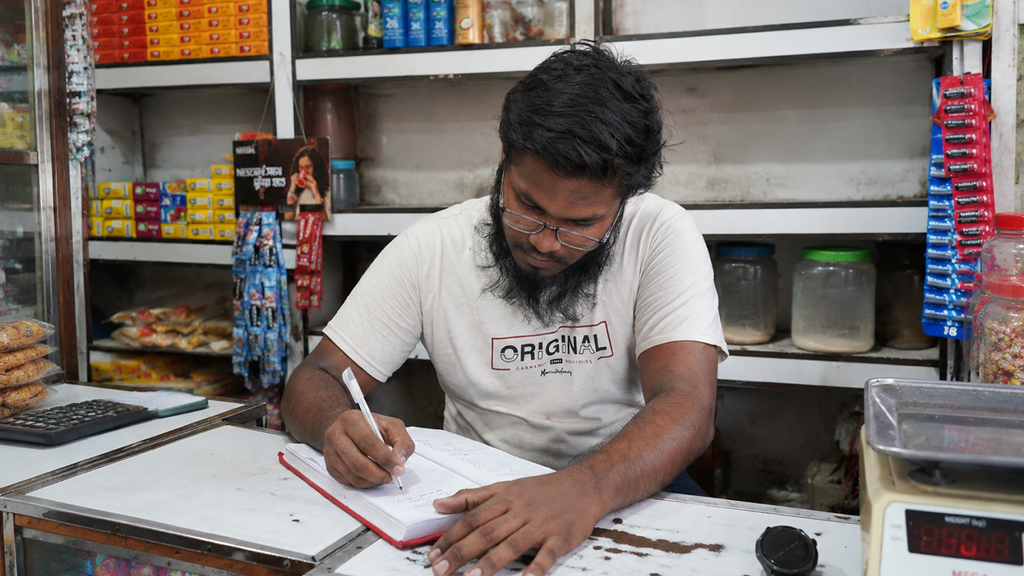
Embedded finance rewrites this reality by turning an ordinary restock order into an instant credit line, replacing risky informal debt cycles with formal, data-driven liquidity right when it is needed most.
Where PriyoShop Fits
PriyoShop is building the infrastructure that helps Bangladesh’s MSME retailers run and grow their businesses, connecting commerce, distribution, logistics, technology, data and finance in one ecosystem.
For many small retailers, the challenge is not demand. It is having enough working capital at the right time to keep products in stock and continue selling.
That is why PriyoShop is bringing financial access closer to the retailer’s everyday purchasing journey.
Embedded Credit. Through BNPL and digital credit solutions, retailers can access short-term financing to purchase inventory without paying the full amount upfront. This gives them more flexibility to manage cash flow and restock when needed.
Digital Microloans. In partnership with BRAC Bank, PriyoShop enables collateral-free digital microloans with eKYC onboarding, helping small retailers access formal finance more easily.
Smarter Credit Access. PriyoShop is also working with financial partners to improve how MSME creditworthiness is assessed. Through its partnership with Community Bank and InsightGenie, an AI-powered credit scoring model uses eKYC, transaction data, and behavioural insights to support credit decisions.
For PriyoShop, embedded finance is not a separate product. It is part of the retail journey, helping retailers access capital when they need to buy, restock, and grow.
Why this Matters for Different Players
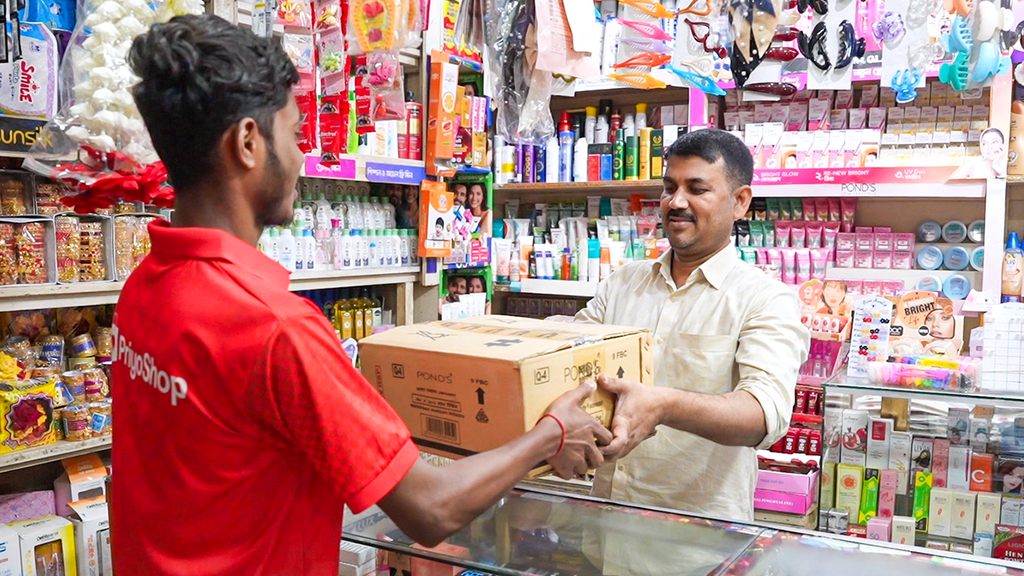
For retailers and commerce platforms, embedded finance makes the buying journey simpler. Retailers can access credit while purchasing inventory, without leaving the platform or starting a separate financing process. This means less friction, faster restocking, and a more connected customer experience.
For financial institutions and fintech partners, the challenge is often reaching small retailers at scale and understanding their real business activity. PriyoShop helps bridge that gap by connecting financial partners to an active retail ecosystem, supported by transaction data, digital onboarding and everyday purchasing behavior.
For brands and distributors, better access to working capital can help retailers keep more products in stock, place orders with greater confidence, and reduce missed sales caused by cash-flow constraints.
The value is simple: retailers get easier access to finance, financial partners get closer to real retail activity, and the entire commerce journey becomes more connected.
The Real Bottleneck: Integration
The biggest challenge in embedded finance is not demand. It is bringing all the different systems together.
KYC, payments, credit checks, card partners and financial institutions often operate separately. Connecting them can take time and require significant technical effort.
PriyoShop helps make this simpler by bringing financial services closer to an existing retail ecosystem, where retailers are already ordering products, making payments, and building transaction histories.
This gives financial partners a clearer way to reach retailers and offer the right financial support at the right moment.
The goal is simple: less friction, easier access, and finance that fits naturally into the retail journey.
Built to Evolve
Retail needs do not stay the same. Demand changes, cash flow changes, and the need for working capital can change from one season to another.
That is why PriyoShop is building financial access around the way retailers already do business — using their purchasing journey, transaction activity, and digital interactions to create better connections with financial partners.
From BNPL and digital credit to microloans and smarter credit assessment, the goal is not to add more financial products. It is to make the right financial support easier to access when retailers actually need it.
As retailers grow, the financial support around them should grow with them.
PriyoShop’s current initiatives support this positioning: its internal materials describe BNPL/digital credit, a co-branded credit card, digital microloans through BRAC Bank, and AI-powered MSME credit assessment using transaction and behavioral data.
The Bigger Picture
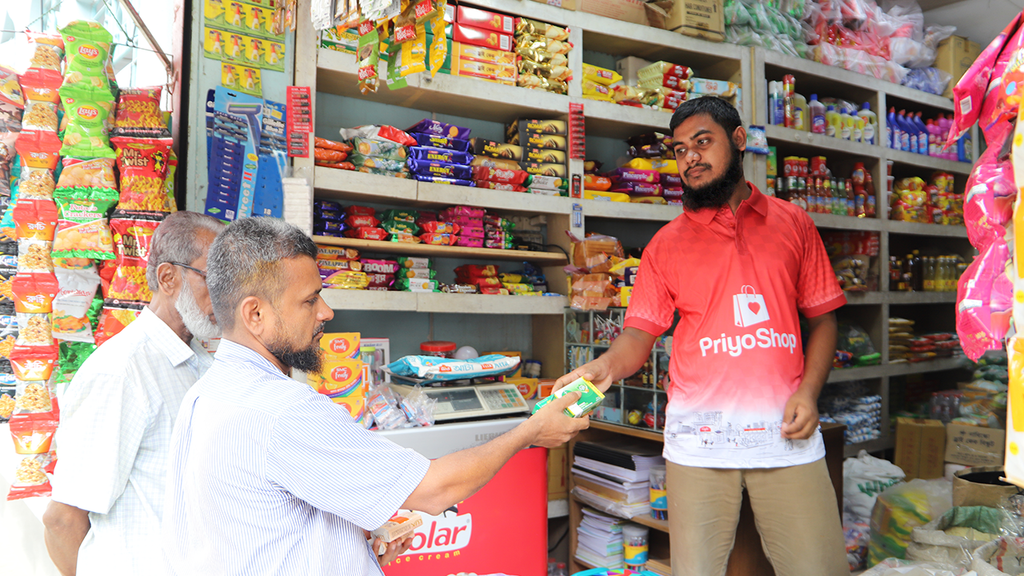
Embedded finance is not about turning every retail platform into a bank. It is about bringing financial access closer to where business is already happening.
For a small retailer, that could mean getting working capital while restocking. For a financial institution, it means reaching retailers through real business activity. And for the wider ecosystem, it means connecting commerce, distribution, data and finance more closely.
This is where PriyoShop sees the opportunity.